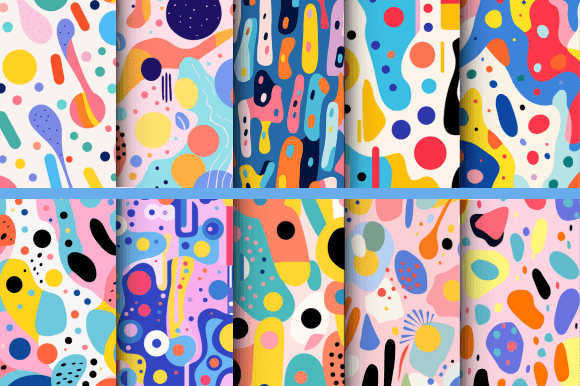
Graphic Patterns for Creative Projects
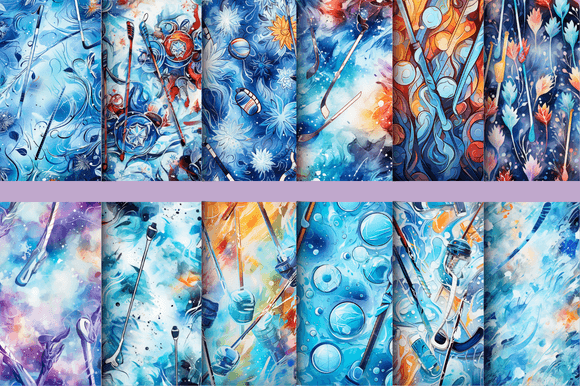
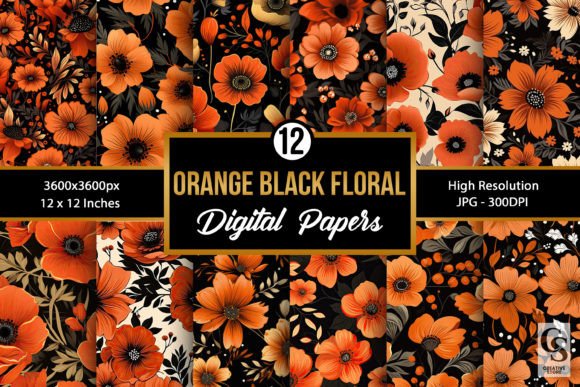
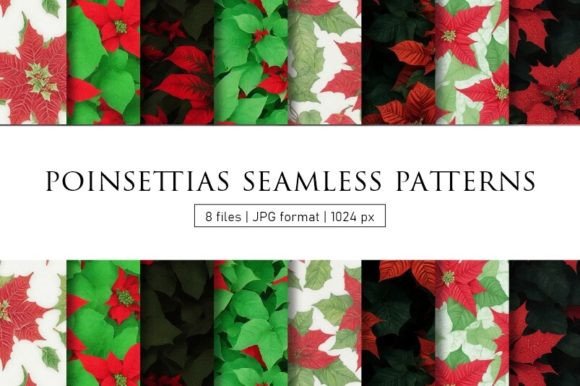
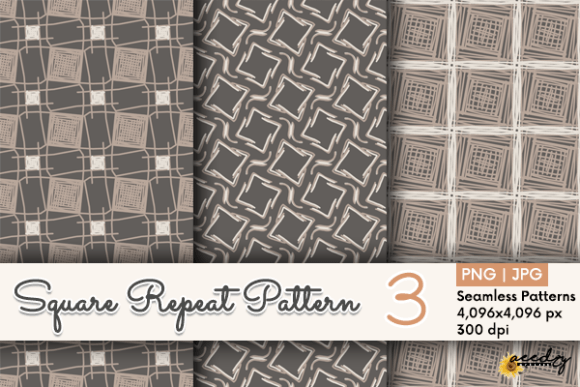
Graphic Patterns are more than just visual elements—they’re tools that can elevate your creative work and streamline your workflow. Whether you're a designer, hobbyist, or small business owner, having access to high-quality digital patterns can make a significant difference in the way you approach your projects. With 12 digital papers included in one zip file, these Graphic Patterns offer a versatile resource that supports a wide range of applications.
Why Graphic Patterns Matter
In today’s fast-paced world, efficiency and creativity often go hand in hand. Graphic Patterns provide a solution that balances both. These digital files are designed with practicality in mind, offering high-resolution options that maintain quality across various uses. Unlike generic templates, Graphic Patterns are crafted to be adaptable, allowing users to tailor them to their specific needs without sacrificing visual appeal.
Practical Applications of Graphic Patterns
The versatility of Graphic Patterns makes them ideal for a variety of creative endeavors. From gift wrapping to wall art, these designs can be customized to fit any project. For instance, when creating greeting cards, using a unique pattern can add a personal touch that stands out. Similarly, planners and invitations benefit from the added visual interest that Graphic Patterns bring, helping to convey a sense of style and professionalism.
- Gift Wrapping: A well-designed pattern can transform plain packaging into a festive display, making your gifts more memorable.
- Greeting Cards: Incorporating a subtle pattern can enhance the overall look of your card while keeping it elegant and refined.
- Planners: Using a consistent pattern throughout your planner can create a cohesive aesthetic that makes organizing tasks more enjoyable.
- Invitations: Graphic Patterns can help set the tone for an event, whether it's a wedding, birthday, or corporate gathering.
- Scrapbook Decorations: Adding intricate patterns to your scrapbook pages can elevate the storytelling aspect of your memories.
- Stickers: Custom stickers featuring Graphic Patterns can serve as promotional materials or personalized keepsakes.
- Stationaries: Incorporating patterns into your stationery can reflect your brand identity or personal style.
- Wall Art: Large-scale prints of Graphic Patterns can create a striking focal point in any room.
- Acrylic Tumbler Wrapping: A fun and eye-catching design can make your drinkware stand out at events or as gifts.
Who Benefits Most from Graphic Patterns
Graphic Patterns are particularly beneficial for individuals and businesses that value both aesthetics and functionality. Creators, such as designers and illustrators, can use these patterns to inspire new ideas and streamline their workflow. Entrepreneurs and small business owners may find them useful for branding and marketing materials, helping to create a consistent visual identity across all platforms.
Freelancers and educators can also benefit from the flexibility of Graphic Patterns. For example, an educator might use them to create visually engaging lesson plans or classroom decorations. Similarly, a freelancer working on client projects can incorporate these patterns to add a professional touch to presentations or reports.
Considerations and Limitations
While Graphic Patterns offer numerous advantages, it's important to consider their limitations. As digital products, they require proper printing techniques to maintain their intended appearance. Colors may vary slightly due to differences in monitor settings and printing processes. Therefore, it's essential to test prints before finalizing any large-scale projects.
Additionally, while the variety of applications is extensive, not every project will be a perfect fit. It's worth comparing different options and experimenting with how the patterns interact with your specific content. This ensures that the final result aligns with your creative vision and functional requirements.
How to Get the Most Out of Graphic Patterns
To maximize the potential of Graphic Patterns, start by identifying the specific goals of your project. Are you looking to enhance the visual appeal of your work, save time in the design process, or support a particular creative outcome? Once you have a clear objective, you can select patterns that best suit your needs.
For instance, if you're designing a planner, focus on patterns that offer a clean and organized layout. If you're creating stickers, opt for bold and eye-catching designs. Experimenting with different combinations can lead to unexpected and exciting results. Remember, the key is to use these patterns as a foundation, not a constraint.
Conclusion
Graphic Patterns are more than just decorative elements—they are powerful tools that can enhance creativity, improve efficiency, and support a wide range of projects. By understanding their practical applications and considering how they fit into your workflow, you can unlock new possibilities and achieve better results. Whether you're a seasoned designer or a casual hobbyist, these patterns offer valuable support that can elevate your work and inspire your next creative endeavor.