Floral Repeat Patterns: A Timeless Design Element for Contemporary Creators
In the ever-evolving world of design, certain elements consistently captivate the imagination and serve as a bridge between tradition and innovation. Among these, Floral Repeat Patterns—specifically those featuring Flowers Leaves and Colorful Floral Seamless Patterns—have emerged as a powerful tool for designers across multiple industries. These patterns are not only visually appealing but also highly versatile, making them an essential asset for professionals, entrepreneurs, and creatives alike.
What Are Floral Repeat Patterns?
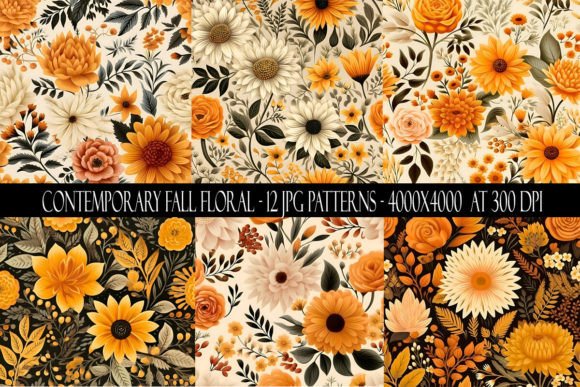
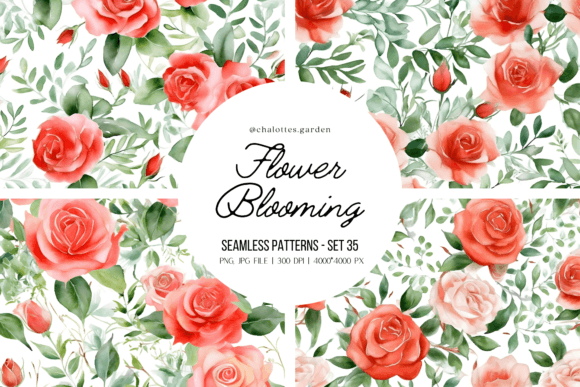
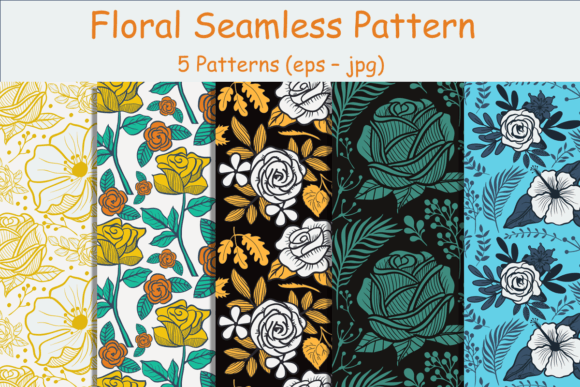
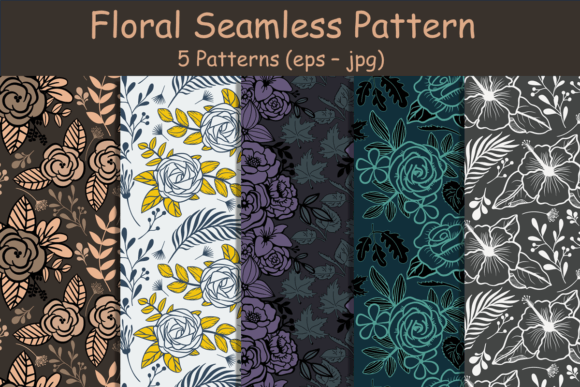
A Floral Repeat Pattern is a design that features repeating floral motifs, such as flowers, leaves, and other botanical elements, arranged in a seamless manner. These patterns are typically created using a grid system where each element is repeated to form a continuous, cohesive design. The Flowers Leaves component adds depth and natural texture, while the Colorful Floral Seamless Pattern ensures visual harmony and adaptability across various applications.
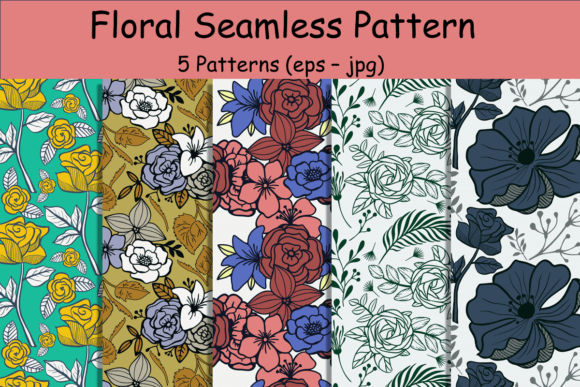
These patterns are often used in digital and print media, allowing for scalability without loss of quality. The inclusion of 5 High-resolution JPG (4000 x 4000 px) and 5 EPS files makes them ideal for both professional and personal projects, ensuring flexibility in use and distribution.
The Rise of Floral Design in Modern Markets
Floral repeat patterns have seen a resurgence in popularity due to their ability to blend aesthetics with functionality. As consumers become more conscious of sustainability and craftsmanship, designs that reflect nature and artistry are gaining traction. This trend aligns with broader shifts in the creative and consumer markets, where authenticity, personalization, and eco-consciousness are key drivers.
For instance, the rise of Print on Demand services has made it easier than ever for designers to offer customized products using floral repeat patterns. From apparel to notebooks, these patterns can be seamlessly integrated into a wide range of items, appealing to both niche and mass-market audiences.
Applications Across Industries
- Fabric & Textile: Floral repeat patterns are widely used in fashion and home décor, offering endless possibilities for creating unique, eye-catching designs.
- Digital Backgrounds: These patterns are perfect for web and app interfaces, adding a touch of elegance and personality to digital spaces.
- Stickers & Posters: Their scalability makes them ideal for small-format prints, such as stickers, posters, and social media graphics.
- Apparel: From t-shirts to tote bags, floral patterns can elevate everyday items into statement pieces.
- Gift Wrap & Packaging: For businesses looking to enhance their brand image, floral repeat patterns can add a premium feel to product packaging.
Why Are People Paying Attention to Floral Repeat Patterns?
The growing interest in floral repeat patterns can be attributed to several factors. First, they offer a natural aesthetic that resonates with people's desire for beauty and tranquility in daily life. Second, they are highly adaptable, allowing for customization to suit different tastes and preferences.
Moreover, the increasing demand for digital assets has made it easier for creators to access and utilize these patterns. With the availability of high-quality files like JPG (4000 x 4000 px) and EPS, designers can work efficiently across various platforms and mediums.
Changing Needs and Expectations
As the creative industry evolves, so do the needs and expectations of its users. Today’s designers and entrepreneurs are looking for tools that are not only aesthetically pleasing but also practical and cost-effective. Floral repeat patterns meet these demands by offering a single design that can be applied across multiple formats and products.
Additionally, there is a growing emphasis on workflows that support collaboration and scalability. The use of vector-based formats like EPS allows for easy editing and resizing, which is crucial for teams working on large-scale projects.
Practical Examples and Observations
One notable example is the use of floral repeat patterns in keychains and pin buttons. These small accessories have become popular collectibles, especially among fans of specific brands or themes. By incorporating a floral pattern, designers can create products that are both functional and decorative.
Another area where floral repeat patterns shine is in notebook covers and gift wrap. These items are often purchased for special occasions, and a well-designed floral pattern can make a lasting impression on the recipient.
Furthermore, the integration of floral repeat patterns into digital backgrounds has opened new avenues for online branding. Businesses can use these patterns to create a consistent visual identity across their website, social media, and marketing materials.
Connecting to Larger Developments
The relevance of floral repeat patterns extends beyond just design. They are part of a larger movement toward sustainable and meaningful design. As consumers become more informed about the impact of their choices, they are seeking products that reflect their values. Floral patterns, with their organic and timeless appeal, fit perfectly into this narrative.
Additionally, the rise of AI and machine learning in design tools has made it easier for creators to generate and customize floral patterns. These technologies enable designers to experiment with different color schemes, layouts, and textures, all while maintaining the integrity of the original design.
Conclusion
Floral repeat patterns, particularly those featuring Flowers Leaves and Colorful Floral Seamless Patterns, are more than just decorative elements—they are powerful tools for modern creators. Whether you're designing for fabric, digital backgrounds, or product packaging, these patterns offer a versatile, scalable, and visually compelling solution.
With the right files and a clear understanding of your target audience, you can leverage floral repeat patterns to create products that stand out in a competitive market. As trends continue to evolve, the importance of these designs will only grow, making them an essential part of any designer’s toolkit.