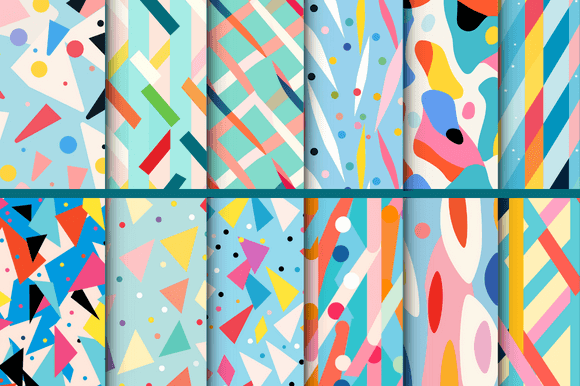
Diagonal Patterns: A Creative Tool for Everyday Use
When it comes to crafting, design, and creative expression, the right visual elements can make all the difference. One such element that has gained popularity among artists, designers, and hobbyists is Diagonal Patterns. These aren't just decorative; they serve a functional purpose in a wide range of applications, from stationery to wall art. Whether you're wrapping a gift or designing a planner, understanding how to use diagonal patterns effectively can elevate your projects and add a unique touch.
What Are Diagonal Patterns?
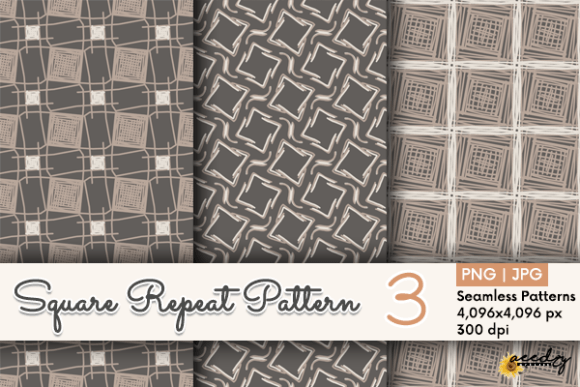
Diagonal Patterns refer to repeating shapes or designs that are arranged at an angle rather than straight lines or horizontal/vertical layouts. These patterns create a dynamic visual effect that draws the eye across the surface. They are often used in graphic design, textile printing, and digital art to add movement and interest to otherwise static materials.
Unlike traditional grid-based designs, diagonal patterns offer a sense of motion and depth. This makes them particularly appealing for those looking to break away from conventional aesthetics and bring a fresh perspective to their work.
Real-World Applications of Diagonal Patterns
The versatility of Diagonal Patterns means they can be applied in various real-world situations. Here are some practical examples:
- Gift Wrapping: Using diagonal patterned paper can transform a simple gift into a visually striking present. The angled design adds dimension and can help mask imperfections on the box.
- Greeting Cards: Incorporating diagonal patterns into card designs can give your messages a more artistic flair. It’s especially effective for invitations, thank-you notes, and holiday cards.
- Planners and Journals: Many planners now feature diagonal backgrounds to make pages more engaging. These patterns can also help organize content by creating visual boundaries between sections.
- Invitations: Whether it's a wedding, event, or party, diagonal patterns can add sophistication and style to your invitation design. They work well with both minimalist and bold themes.
- Scrapbook Decorations: Scrapbookers love using diagonal patterns to enhance layouts. They can be used as borders, background textures, or even as part of photo frames.
- Stickers and Stationaries: From sticky notes to letterheads, diagonal patterns can make everyday stationery items stand out. They’re great for branding and personalization.
- Wall Art: Hanging diagonal patterned prints can create a focal point in any room. They’re especially popular in modern and bohemian decor styles.
- Acrylic Tumbler Wrapping: For those who enjoy customizing mugs or tumblers, diagonal patterned wraps offer a stylish alternative to plain labels. They can be printed directly onto the surface for a professional look.
Who Benefits from Diagonal Patterns?
While Diagonal Patterns may seem like a niche product, they cater to a wide audience. Here’s how different users can benefit:
Craft Enthusiasts: These individuals enjoy experimenting with new materials and techniques. Diagonal patterns provide endless possibilities for creative expression in their projects.
Design Professionals: Graphic designers and illustrators can use diagonal patterns to add visual interest to their work. They can be incorporated into logos, websites, and marketing materials.
Business Owners: Entrepreneurs looking to brand their products or services can use diagonal patterns to create eye-catching packaging and promotional materials.
Students and Educators: Teachers can use diagonal patterns in classroom activities to engage students. They can also be used in educational tools like flashcards or interactive notebooks.
Families: Parents can use these patterns for DIY projects with kids, making learning and creativity fun. They’re also useful for organizing children's rooms or creating personalized gifts.
Key Considerations Before Using Diagonal Patterns
Before diving into using Diagonal Patterns, there are a few important factors to keep in mind:
Quality and Resolution: Since these are digital products, it’s crucial to ensure high-resolution files. Low-quality images can result in blurry or pixelated prints, which can ruin the overall appearance of your project.
Color Accuracy: As mentioned in the product description, actual colors may vary slightly due to monitor settings. Always test prints before mass production to ensure the final outcome matches your vision.
Print Settings: Different printing methods can affect how patterns appear. Experiment with various print settings to find the best results for your specific needs.
Application Purpose: Consider the intended use of your design. For example, if you're creating wall art, you may want a larger scale pattern, while smaller-scale patterns might be better suited for stickers or stationery.
Strengths and Limitations of Diagonal Patterns
Strengths: One of the biggest advantages of Diagonal Patterns is their ability to add visual interest without overwhelming the viewer. They’re versatile, easy to apply, and can be customized to fit a variety of styles and purposes.
Limitations: However, there are some potential downsides. For instance, diagonal patterns may not always be suitable for formal or corporate settings. Additionally, they can sometimes be distracting if overused or poorly designed.
Despite these limitations, the benefits of Diagonal Patterns far outweigh the drawbacks, especially when used thoughtfully and in the right context.